
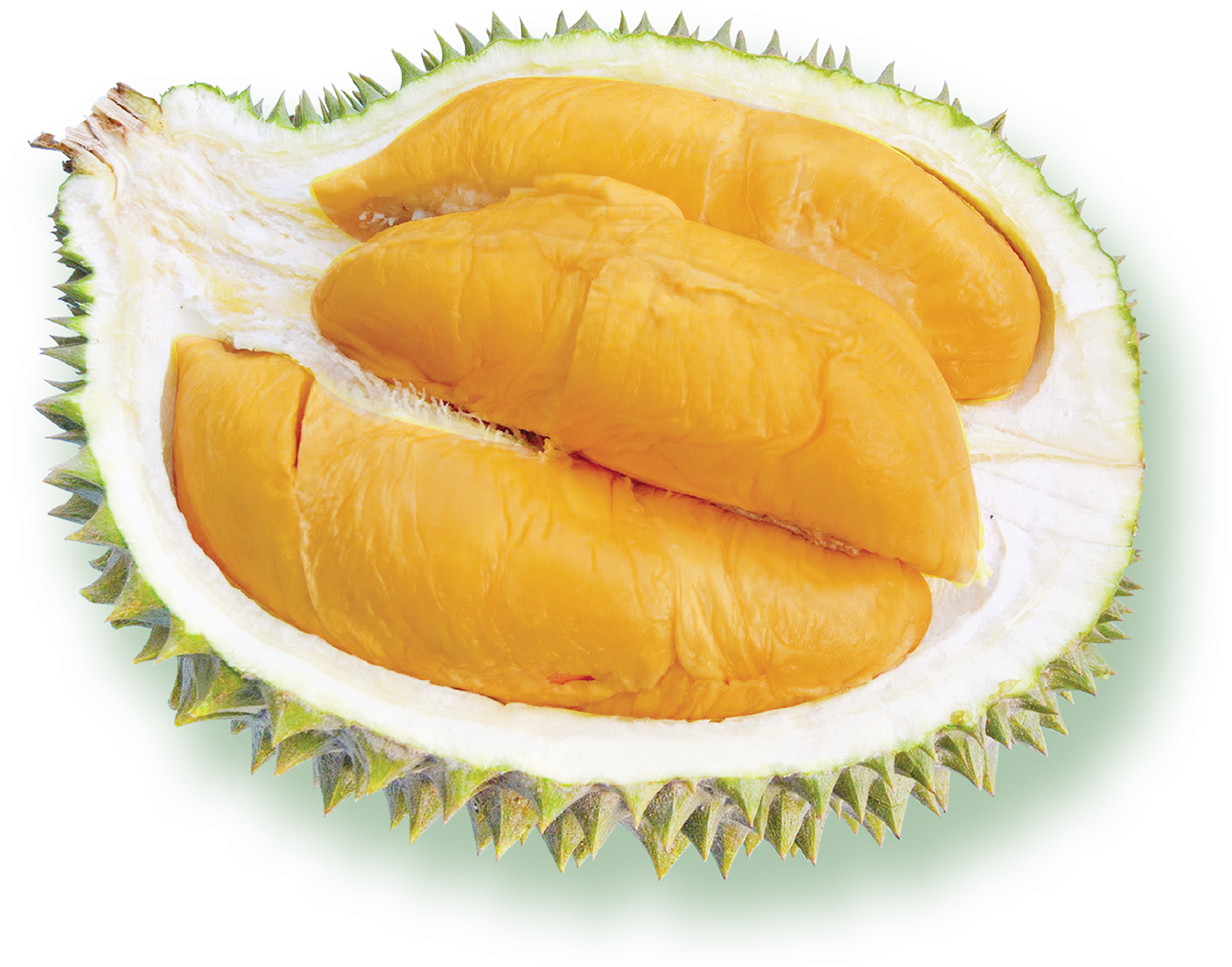
The Cultural Significance of Durian in Southeast Asia
Category Blog

- Rich Heritage
- Culinary Pride
1. Traditional Celebrations and Festivals
Durian is often at the center of various traditional celebrations and festivals across Southeast Asia. In Malaysia, the annual Durian Festival celebrates the peak durian season with events that include durian tastings, contests, and cultural performances. Similarly, in Thailand, durian is a highlight during fruit festivals, where locals and tourists alike gather to savor this delicacy.
2. Symbol of Hospitality and Status
In many Southeast Asian cultures, offering durian to guests is a gesture of hospitality and respect. The fruit is often given as a gift during important occasions, symbolizing abundance and good fortune. In some regions, the quality and rarity of durian served can also reflect the host’s social status and generosity.
3. Culinary Traditions
Durian is deeply integrated into the culinary traditions of Southeast Asia. It is used in a variety of dishes, from savory curries and rice dishes to sweet desserts like durian cakes, pastries, and ice cream. In Indonesia, durian is a key ingredient in “tempoyak,” a fermented durian dish enjoyed with rice and fish. These culinary traditions highlight the versatility and cherished status of durian in regional cuisines.
4. Modern Popularity and Global Influence
While durian has always been popular in Southeast Asia, its global influence has grown in recent years. Exported to countries around the world, durian has found a place in international markets and gourmet kitchens. This global reach not only boosts local economies but also introduces the rich cultural heritage of Southeast Asia to a wider audience.
Conclusion
Durian’s cultural significance in Southeast Asia extends far beyond its unique taste and aroma. It is a symbol of tradition, hospitality, and culinary innovation, deeply woven into the social and cultural fabric of the region. Whether enjoyed at a local festival or in a modern dessert, durian continues to be a beloved fruit that bridges past and present, tradition and innovation.